Cruising grounds are not interchangeable, and the category that is obvious in
one is often a mistake in another. The following is the short version of a conversation we
have several times a week.
The Western Mediterranean
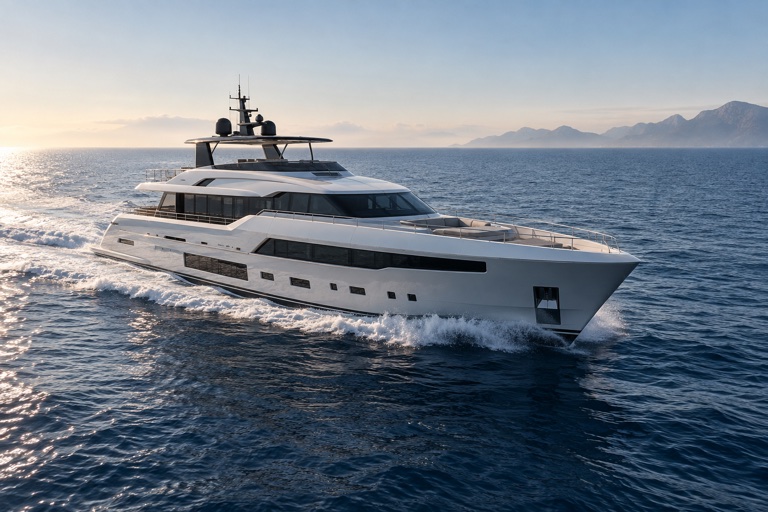
The Balearics, Corsica, Sardinia and the Côte d’Azur reward speed and
shade. Distances between the interesting places are short, the anchorages are deep enough
for almost anything, and August heat makes air conditioning non-negotiable. This is motor
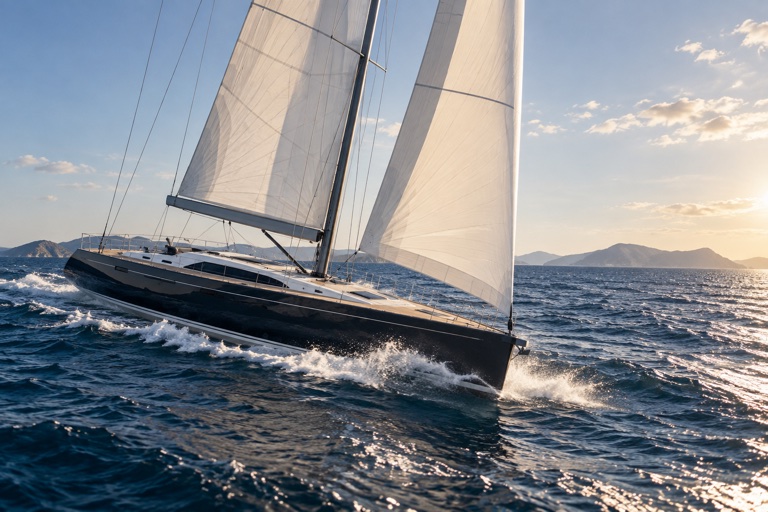
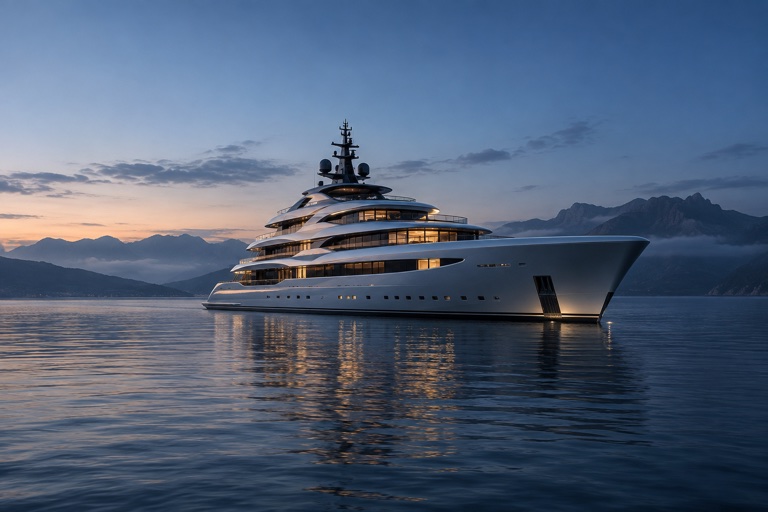
yacht country, with superyachts making sense once the party exceeds twelve. Sailing yachts
do well here in June and September, when the wind is more reliable and the anchorages are
not full.
The Eastern Mediterranean and Adriatic
Greece, Turkey and Croatia are a different proposition. The distances are
longer, the meltemi can blow hard for days at a time in July and August, and a great many
of the best anchorages are small, rocky and shallow. A sailing yacht comes into its own
here, and so does a well-found motor yacht with a captain who knows which bays hold in a
northerly. Very large vessels are constrained by berth availability in the islands.
The Caribbean and Bahamas
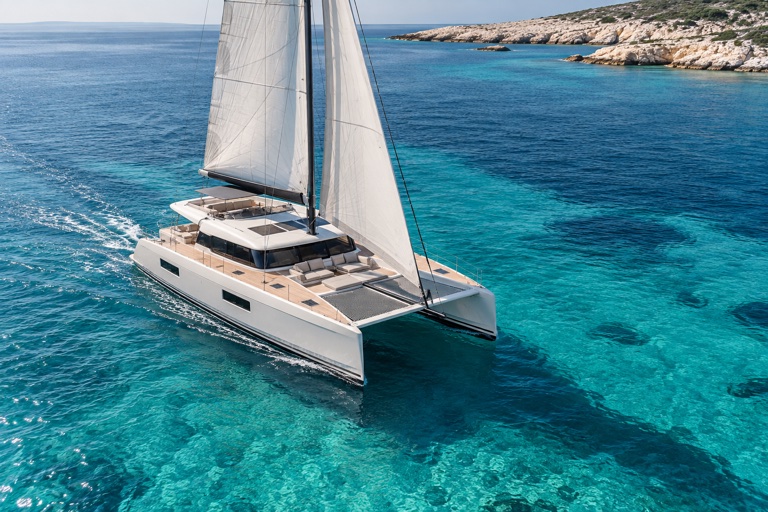
Consistent trade winds, warm water and — critically — a great deal of very
shallow water. Draft is the governing variable, and it is why catamarans dominate the
Bahamas, the British Virgin Islands and the Grenadines. A monohull drawing four metres
will spend the week looking at places it cannot enter. Winter is the season; hurricane
months are not.
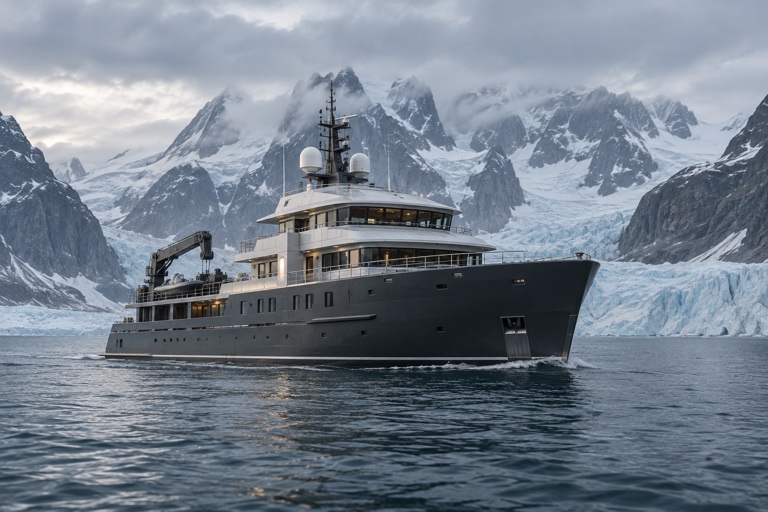
High latitudes and remote archipelagos
Svalbard, Greenland, Patagonia, the Kimberley and eastern Indonesia are
explorer territory, and the reasons are unglamorous: fuel range, water-making capacity,
redundant machinery, hull strength, and a crew who have done it before. There is no
sensible way to substitute a conventional motor yacht here, and attempting it is how
charters become incidents.